Specialist Care
Enhance your dental health with expert bone grafting solutions at Twin Oaks Family Dental. Experience comprehensive care tailored for optimal results.
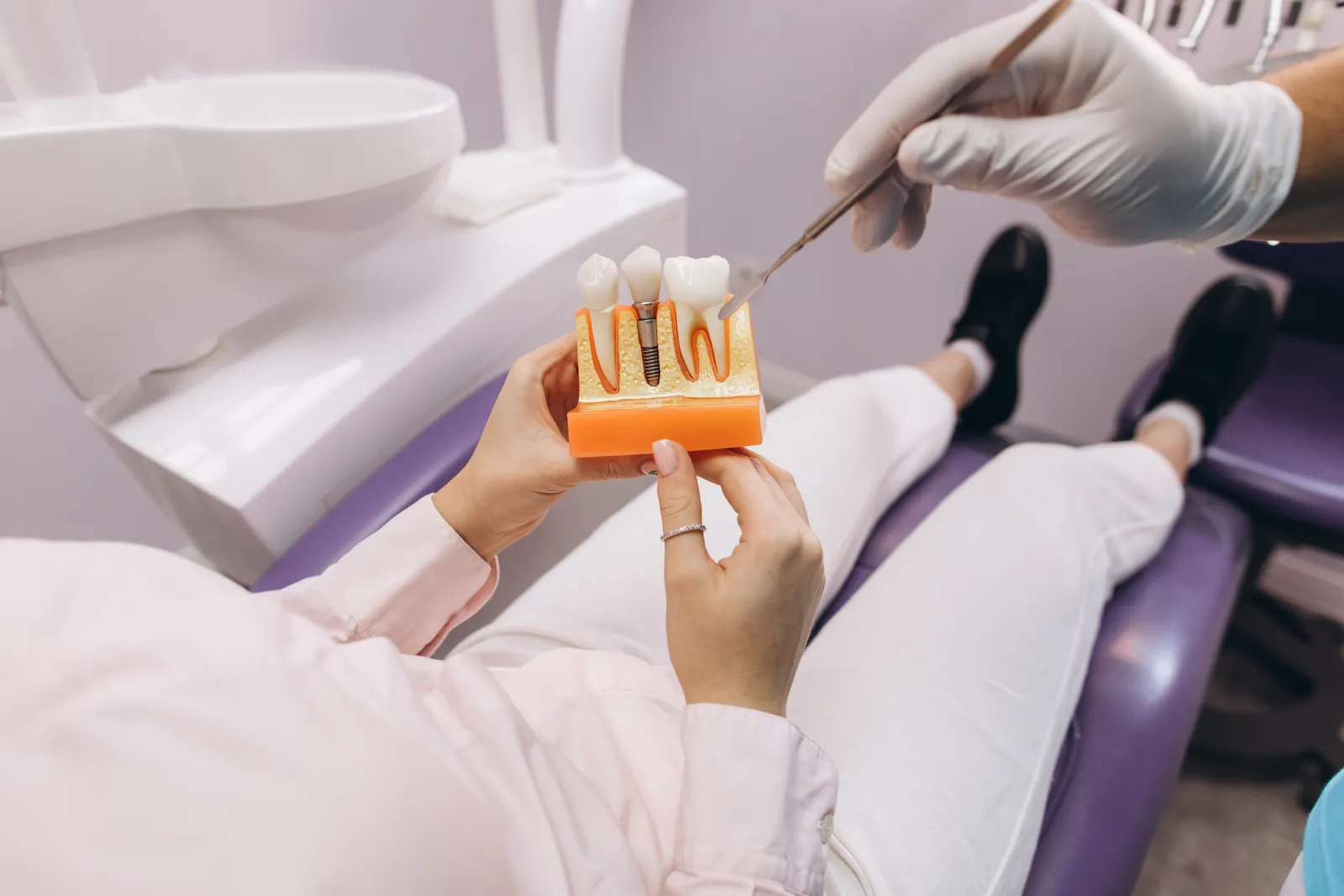
Bone grafting is a vital procedure for those who have experienced bone loss in the jaw, often due to tooth loss or gum disease. It plays a critical role in maintaining the structural integrity of your mouth, especially if you're considering dental implants. The loss of bone can affect your ability to chew, speak, and smile with confidence, ultimately impacting your quality of life.
At Twin Oaks Family Dental, we approach bone grafting with a comprehensive diagnostic method. Our team evaluates your specific needs to ensure the grafting process is as effective as possible. We focus on both the functional and aesthetic outcomes, aiming to restore your oral health and prepare your mouth for future dental procedures.
Our experienced dental professionals utilize advanced techniques and materials to enhance bone regeneration. This ensures a strong foundation for dental implants or other restorative solutions, thereby improving your dental health and overall well-being.
Recognizing the signs of bone loss is crucial for timely intervention. Here are some indicators that you might need bone grafting:
Early intervention can prevent these symptoms from progressing. A thorough evaluation by our professionals will help determine if bone grafting is appropriate for your situation.
Bone loss can occur due to various factors, often interrelated, impacting oral health. Understanding these causes helps in effective treatment planning:
Missing teeth can lead to bone resorption over time, as the jawbone no longer receives stimulation from tooth roots.
Advanced gum disease can erode the bone, weakening the structure that supports your teeth.
As you age, natural bone density decreases, potentially necessitating grafting to restore lost bone.
Poorly fitting dentures can lead to bone loss over time as they fail to provide necessary stimulation.
Trauma or injury to the jaw can cause bone damage, requiring grafting to restore structure.
Some individuals are genetically predisposed to bone loss, making early intervention crucial.
Our bone grafting process is designed to ensure comfort and effectiveness, tailored to your unique needs:
We begin with an in-depth consultation to understand your oral health history and expectations.
A thorough examination using state-of-the-art imaging technology helps us assess the condition of your jawbone.
We develop a tailored treatment plan that aligns with your specific needs and goals for oral health.
Our skilled team performs the bone grafting procedure with precision, ensuring minimal discomfort.
We provide continuous support and follow-up to monitor your recovery and ensure optimal results.
Bone grafting offers numerous benefits that go beyond restoring bone tissue. Here's what you can expect:
Bone grafting restores the jawbone, enabling you to chew foods effectively and speak comfortably.
By rebuilding the jawbone, bone grafting can help maintain facial structure and appearance, enhancing your smile's aesthetics.
A strong jawbone is essential for successful dental implants, providing stability and longevity.
Bone grafting can prevent further bone deterioration, safeguarding your oral health for the future.
Bone grafting is a transformative procedure that supports oral health by addressing underlying structural issues. The jawbone plays a crucial role in maintaining the alignment and health of your teeth. When bone loss occurs, it can lead to various complications, including tooth misalignment and increased susceptibility to dental issues.
The procedure involves placing grafting material into the area where bone is needed, encouraging the body to regenerate and strengthen the bone. This not only supports existing teeth but also prepares the area for future dental treatments, such as implants.
By focusing on the root cause of dental issues, bone grafting provides a comprehensive solution that enhances oral function and aesthetics. It is a proactive approach to dental care, emphasizing the importance of maintaining a strong foundation for lifelong oral health.
While bone grafting provides a robust foundation, maintaining oral health requires everyday care. Here are some habits to support your treatment:
Regular brushing and flossing help prevent infections that could impair healing.
Eating a balanced diet rich in calcium and vitamin D supports bone health.
Regular visits allow your dentist to monitor healing and make necessary adjustments to your care plan.
Smoking can hinder bone healing and increase the risk of complications.
Protect your teeth from grinding and injury with a custom-fitted mouthguard.
Adequate hydration is crucial for overall health and supports the healing process.
While these habits can support your recovery and oral health, they do not replace the need for professional care. Regular dental visits remain essential.
"The team at Twin Oaks Family Dental provided exceptional care during my bone grafting procedure. Their attention to detail and patient-centered approach made all the difference."
Bone grafting can seem complex, but understanding the basics can help ease any concerns you might have about the procedure.
BOOK YOUR VISIT
Join the MO 63366 families who trust Twin Oaks Family Dental. New patients and emergencies are always welcome.



 (636) 275-1054