Services
Restoring dental health with gentle and effective root canal treatments. Alleviate discomfort and preserve your natural teeth.
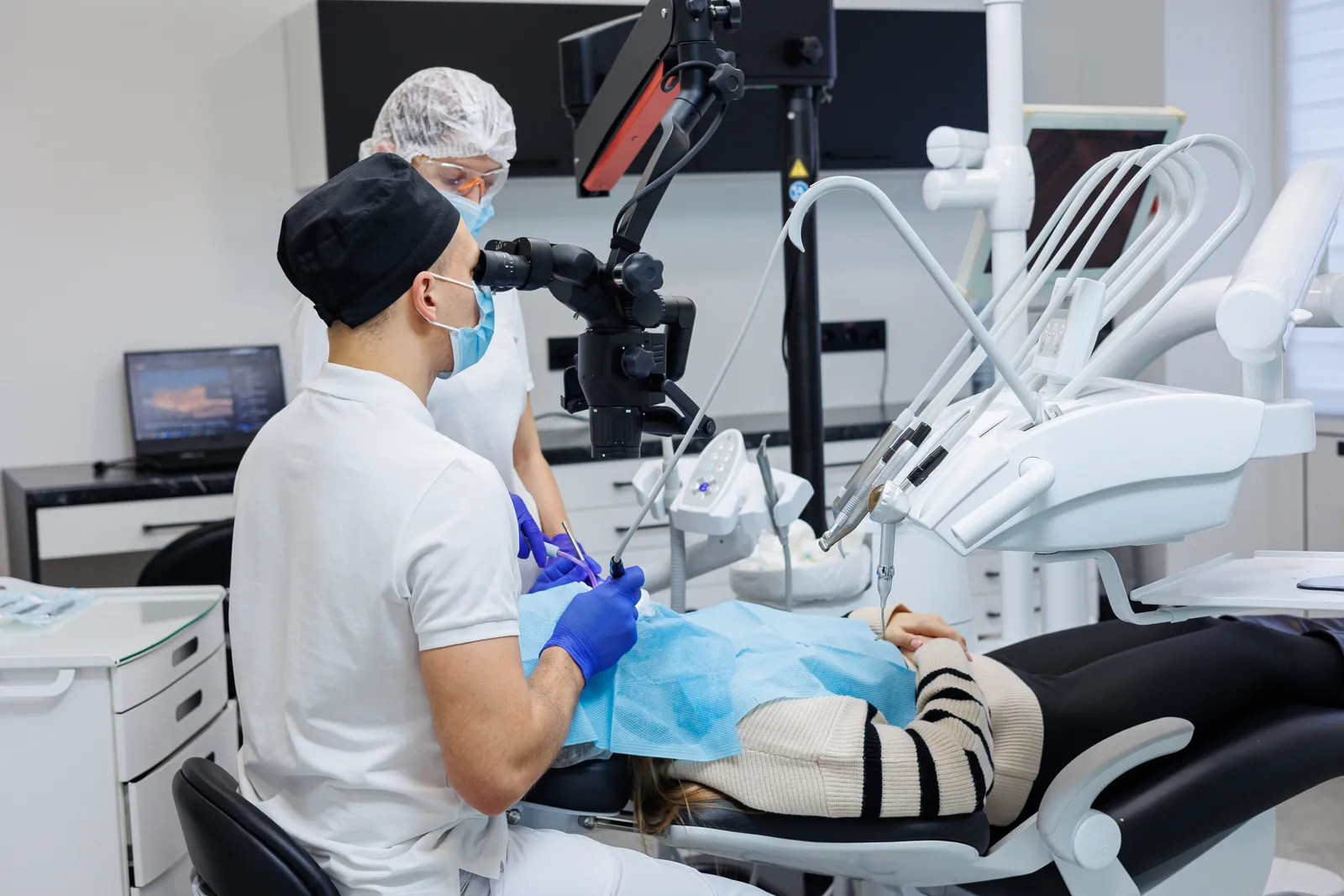
At Twin Oaks Family Dental, our root canal therapy is designed to relieve pain and preserve your natural teeth. A root canal becomes necessary when the pulp inside your tooth becomes inflamed or infected, often due to deep decay, repeated dental procedures, or injury. This condition can lead to severe discomfort and swelling, disturbing your daily activities like chewing and sleeping.
Our team approaches each case with precision and empathy, ensuring that the procedure is as comfortable as possible. Using advanced technology, we meticulously clean and seal the affected area, thus preventing further infection and restoring your tooth’s function. Our priority is not just to alleviate immediate symptoms but to secure your long-term dental health.
We understand how dental issues can impact your confidence and quality of life. Hence, our patient-centered approach focuses on delivering effective solutions tailored to your individual needs, ensuring you leave our office smiling and pain-free.
Recognizing the symptoms that indicate the need for a root canal can prevent further complications. Here's what to watch for:
If you notice any of these symptoms, seeking an early professional evaluation can prevent worsening of the condition and save your natural tooth.
Several factors can contribute to the need for a root canal. Recognizing these can help in early prevention and treatment:
When decay reaches the inner pulp, bacteria can cause infection and inflammation, necessitating a root canal.
Old or damaged fillings can allow bacteria to penetrate, leading to pulp infection.
Injuries such as chips or fractures can expose the pulp to bacteria, causing infection.
Repeated dental work on a specific tooth can lead to stress and infection of the pulp.
Advanced periodontal disease can cause infections that spread to the pulp of the tooth.
Tiny cracks can lead to pulp damage and infection, often requiring a root canal to resolve.
Our step-by-step approach ensures that you receive personalized, effective care throughout your treatment:
We begin with a thorough consultation to discuss your symptoms and medical history, ensuring a clear understanding of your condition.
A detailed examination, including x-rays, helps us pinpoint the exact cause and extent of the infection or inflammation.
We develop a tailored plan to address your specific needs, ensuring the most effective and comfortable treatment possible.
Our expert dentists perform the root canal with precision and care, using advanced tools to clean and seal the tooth.
Post-treatment, we offer continuous support and monitoring to ensure your recovery is smooth and complete.
Root canal therapy offers significant advantages that go beyond pain relief:
Root canal treatment effectively alleviates pain caused by infected or inflamed pulp, providing immediate relief.
Rather than extracting the affected tooth, root canal therapy preserves your natural tooth, maintaining your smile and bite.
By removing the infected tissue, the procedure prevents the spread of infection to adjacent teeth and gums.
After treatment, your tooth regains its full functionality, allowing you to chew and bite comfortably.
Root canal therapy reduces the risk of further dental complications, promoting better overall oral health.
The root canal therapy is often misunderstood as a painful procedure, but it is an essential treatment to save teeth that might otherwise be lost. Without treatment, the infection can cause abscesses, severe pain, and possibly lead to systemic health issues.
The process involves removing the infected pulp, cleaning the interior of the tooth, and sealing it to prevent future infections. This not only alleviates the pain but also maintains the structure of your natural tooth, which is crucial for your overall oral health.
Our approach at Twin Oaks Family Dental focuses on minimizing discomfort and maximizing the effectiveness of the treatment. By using state-of-the-art technology, we ensure that the procedure is quick, efficient, and as painless as possible, allowing you to return to your normal activities swiftly.
Following your root canal therapy, adopting these home care practices can aid in your recovery and maintain your dental health:
Regular brushing and flossing help prevent future infections and support healing.
Refrain from chewing on hard foods that might damage your treated tooth.
A soft-bristled toothbrush will be gentle on your teeth and gums, promoting better recovery.
Drinking plenty of water helps keep your mouth moist and aids in the healing process.
Regular visits ensure your treatment's success and allow for early detection of any issues.
Tobacco use can hinder recovery and increase the risk of further dental issues.
While these practices support your recovery, they do not replace the need for professional dental assessments and care.
"At Twin Oaks Family Dental, we prioritize your comfort and health. Our dedicated team is here to ensure you receive expert care every step of the way."
Discover answers to common questions about root canal therapy to help you understand the process and benefits.
BOOK YOUR VISIT
Join the MO 63366 families who trust Twin Oaks Family Dental. New patients and emergencies are always welcome.



 (636) 275-1054